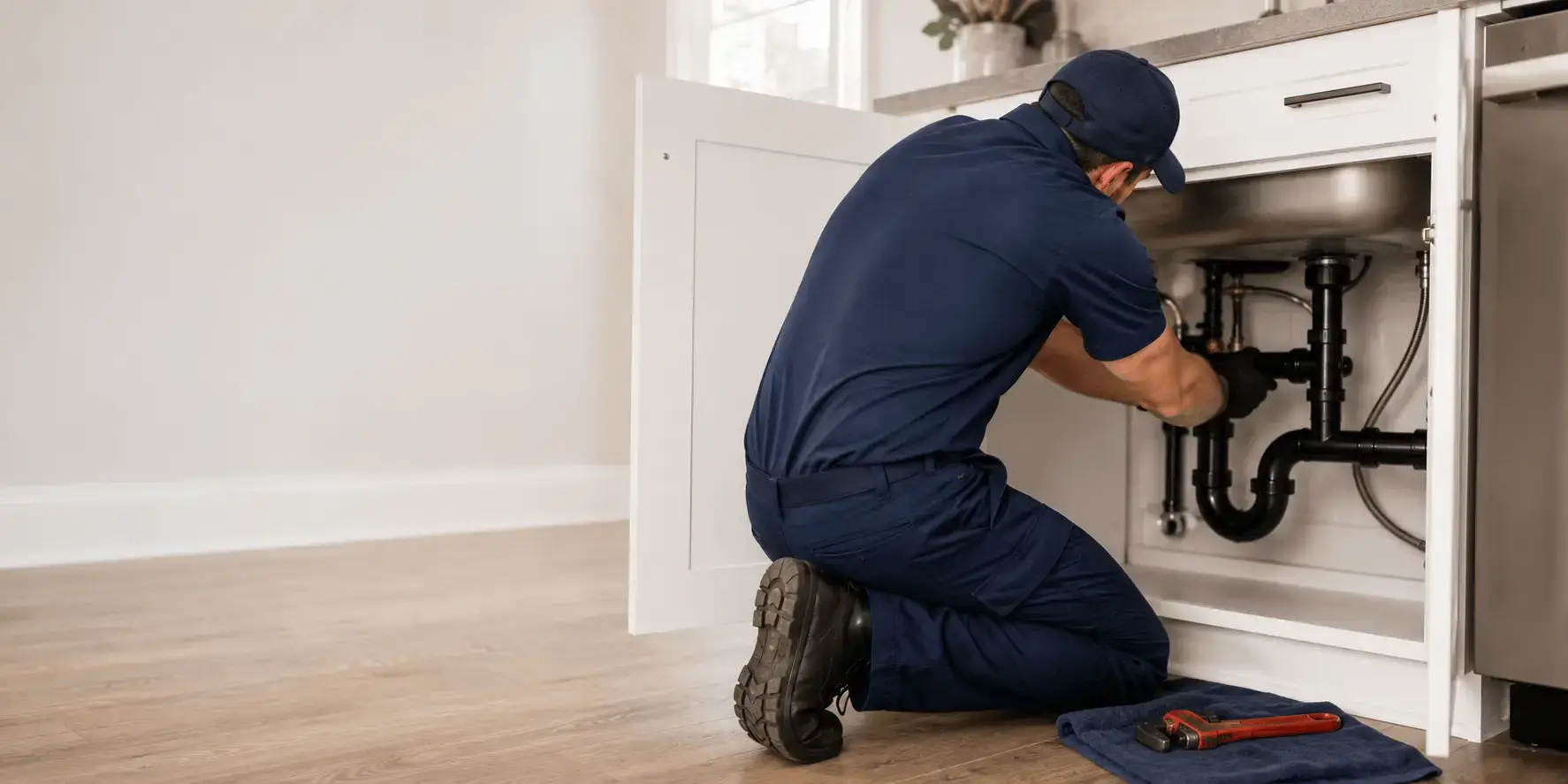
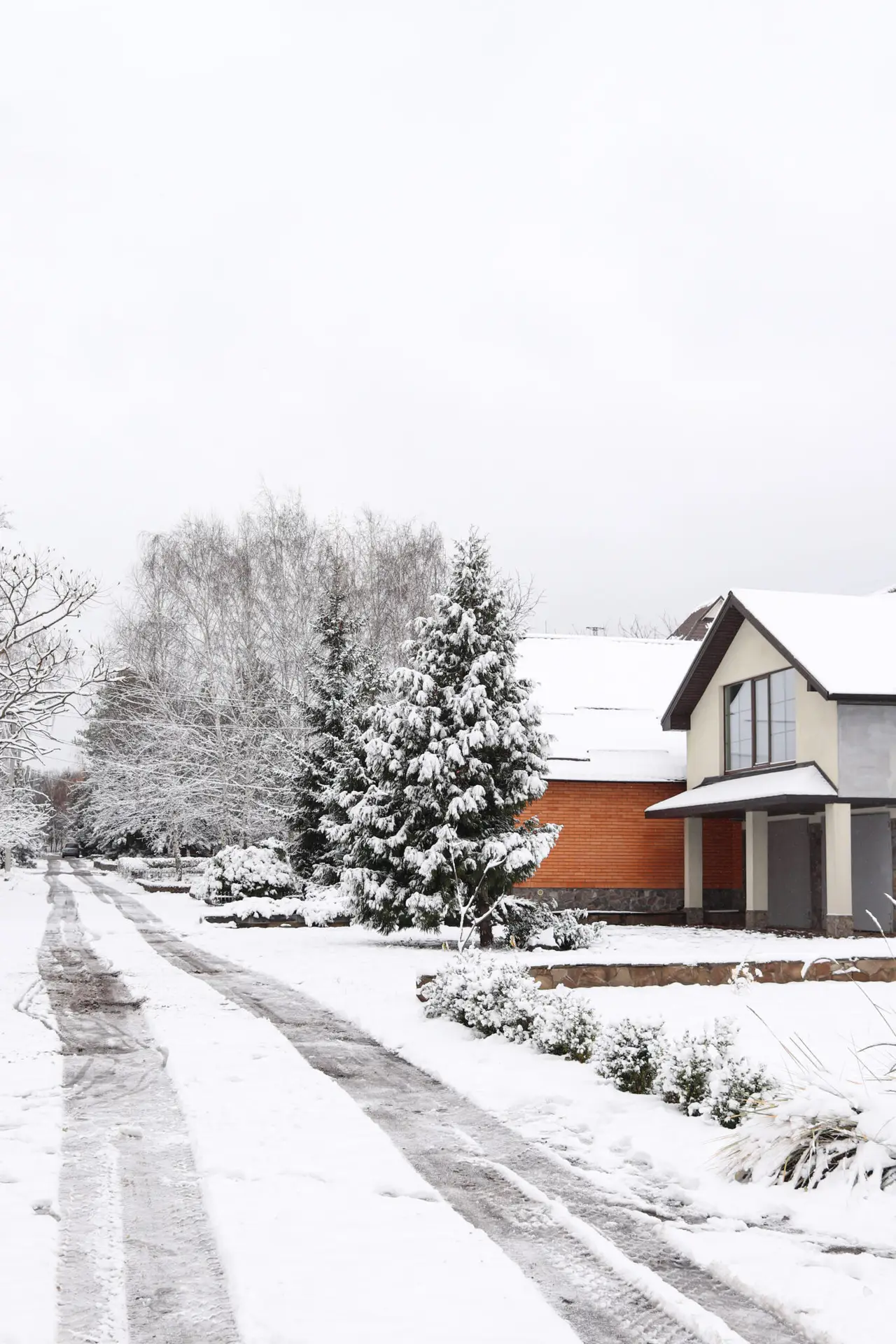
If you’ve lived through even one Twin Cities winter, you already know what a stretch of sub-zero nights can do. When the temperature drops and the wind chill follows it down, the water sitting inside your pipes is at real risk — and a single frozen line can turn into a burst pipe, a flooded basement, and a repair bill nobody budgeted for.
The good news: most frozen pipes are preventable. A little prep now, before the first hard freeze, goes a long way. Here’s how homeowners across the metro can protect their plumbing this winter — and what to do if a pipe freezes anyway.
Why Minnesota Homes Are Especially Vulnerable
Frozen pipes aren’t just a “cold states” problem — they’re a Minnesota problem for a few specific reasons. A lot of housing stock across the Twin Cities was built decades ago, when exterior-wall insulation standards were looser than they are today. That means pipes running along outside walls, or through unheated basements, crawl spaces, and attics, sit closer to the cold than most people realize.
Add in our seasonal patterns — extended cold snaps, homeowners who set back the thermostat to save on heat, and cabins or second properties left mostly unheated — and you’ve got the exact conditions that lead to frozen and burst lines every January.
The pipes most at risk:
- Exterior-wall plumbing with little or no insulation behind it
- Unheated spaces like basements, crawl spaces, garages, and attics
- Outdoor connections — hose bibs, sprinkler supply lines, and pool lines
- Lines near the foundation where your water service enters the home
How to Prevent Frozen Pipes Before the Freeze
Prevention is almost always cheaper than repair. Work through this list before the first deep freeze — most of it takes an afternoon.
- Disconnect and drain outdoor hoses, then shut off and drain the valves feeding your outdoor hose bibs.
- Insulate exposed pipes in unheated areas using foam pipe sleeves or UL-listed heat tape. Both hot and cold lines should be covered.
- Seal drafts around the areas where pipes run — rim joists, foundation gaps, and cracks near where water enters the home.
- Keep your thermostat steady, day and night. The few dollars saved by setting it back at night aren’t worth the risk of a burst line.
- Open cabinet doors under kitchen and bathroom sinks on the coldest nights so warm air can reach the plumbing.
- Let a faucet drip during extreme cold. Moving water — even a trickle — is far less likely to freeze.
- Heading out of town? Never let the house drop below 55°F, and consider shutting off the main and draining the lines if you’ll be gone a while.
For a deeper checklist on prevention and safe thawing, the American Red Cross frozen pipes guide is an excellent homeowner resource.
What to Do If a Pipe Freezes
If you turn on a faucet and only a trickle comes out, suspect a frozen line — likely along an exterior wall or near where your water service enters the home.
- Keep the faucet open. As the ice melts, running water helps clear the blockage.
- Apply gentle heat to the frozen section with a hair dryer, a heating pad, or towels soaked in hot water. Never use an open flame or a torch.
- Check your other faucets. If one pipe froze, others may have too.
- If you can’t reach it, can’t thaw it, or a pipe has already burst — shut off your water at the main and call a licensed plumber right away.
A burst pipe is a genuine emergency, and how fast you act determines how much damage your home takes. That’s exactly the kind of call our family-run team is built for — when you need us, we answer and we show up. If the worst happens, reach us anytime through our emergency plumbing services page or call (763) 308-4706.
Don’t Let a Surprise Repair Wait
A burst pipe rarely arrives at a convenient time, and neither does the bill. If a winter emergency turns into a bigger repair — or you want to get vulnerable plumbing fixed before the freeze — you don’t have to put it off. Through our financing partner Wisetack, qualified homeowners can spread the cost over time with financing available as low as 0% APR, subject to credit approval. Learn more on our financing page.
And if a frozen-pipe scare has you thinking about your basement’s last line of defense against water damage, it’s worth making sure your sump pump is ready for the season too.
Ready for winter? So are we.
Today’s Plumbing is a family-run team serving Hamel and the greater Twin Cities metro. Whether you want a pre-winter plumbing check or you’re dealing with a frozen line right now, we back every job with our Done Right Guarantee and up-front pricing — no surprises.
Call (763) 308-4706 or visit todaysplumbing.com to schedule.
Frequently Asked Questions
At what temperature do pipes freeze in Minnesota? Pipes are generally at risk once outdoor temperatures drop to around 20°F or below, especially if they run through unheated or poorly insulated spaces. In an extended Minnesota cold snap, exposed lines can freeze quickly — which is why prevention and a steady indoor temperature matter so much.
How do I know if a pipe is frozen? The most common sign is a faucet that produces only a trickle — or nothing at all — when the temperature is below freezing. You may also see frost on an exposed pipe or notice bulging. Frozen lines are most often found along exterior walls or near where your water service enters the home.
What should I do if a pipe bursts? Shut off your water at the main valve immediately to limit the damage, then call a licensed plumber. Today’s Plumbing offers emergency service across the Twin Cities metro — call (763) 308-4706 and we’ll respond fast.
Can I prevent frozen pipes while I’m away on vacation? Yes. Keep the heat set no lower than 55°F, open cabinet doors so warm air reaches the plumbing, and consider having a neighbor check in. For longer absences, shutting off the main and draining the lines is the safest option.