A sump pump is one of those household systems that’s incredibly easy to forget about when everything is working properly. It sits quietly in the basement, often tucked into a utility room or corner, and may go long stretches without getting much attention.
Then Minnesota gets several days of heavy rain, the ground becomes saturated, or spring arrives and a winter’s worth of snow begins melting.
Suddenly, that little pump has a very important job.
Your sump pump is designed to help manage groundwater that collects around and beneath your home by moving water from the sump basin to an appropriate discharge location. When the system works properly, it can help keep that water from accumulating where you don’t want it. But if the pump fails when water is entering the basin quickly, homeowners may discover the problem at exactly the worst possible time.
That’s why fall is a good opportunity to give your sump pump some attention. While spring snowmelt may still feel months away, fall rain and the coming winter make this a natural time to check whether your system appears ready for another Minnesota season.
Your Sump Pump Doesn’t Matter Until Suddenly It Really Does
Unlike a faucet, toilet, or shower, a sump pump isn’t something most homeowners interact with every day.
Its workload can also change dramatically depending on the property and weather conditions. One home may have a sump pump that operates frequently throughout wet periods, while another may hear its pump run only occasionally.
That can create a false sense of security.
If you rarely hear your sump pump operate, it’s easy to assume everything is fine. But a pump that hasn’t needed to run much recently could still have a problem waiting to be discovered when groundwater levels rise.
The same is true for homes where the pump runs frequently. Regular operation means the equipment is doing its job, but it also means the pump and related components are seeing repeated use.
That’s why homeowners shouldn’t use “I haven’t had water in my basement” as the only measure of whether the sump system deserves attention.
The better question is: If a large amount of water entered the sump basin tonight, would the system be ready to move it?
What Does a Sump Pump Actually Do?
A sump system typically begins with a basin installed at a low point where groundwater can collect. As water enters the basin and reaches a certain level, a float or other activation mechanism signals the pump to turn on.
The pump then moves that water through discharge piping and away from the sump.
It sounds simple, but several parts need to work together correctly. The pump needs electrical power. The activation mechanism needs to move properly. The discharge piping needs to carry water where it’s intended to go. Connections and valves need to function as designed.
If any part of that process fails, water may continue entering the basin without being removed quickly enough.
Today’s Plumbing provides professional sump pump services for homeowners dealing with sump pump installation, replacement, repair, and other plumbing concerns.
Because every home and drainage setup can be different, recurring sump pump problems deserve more attention than simply replacing a pump and assuming the issue is solved.
Warning Signs Your Sump Pump Deserves Attention
A completely dead sump pump is an obvious problem. The less obvious symptoms are often more useful because they may give you an opportunity to have the system evaluated before the next major rainfall.
Listen to your sump pump when it operates and occasionally look at the basin and surrounding area. Changes in how the system behaves can provide useful clues.
| What You Notice | Why It’s Worth Checking |
| The pump doesn’t turn on when water rises | The pump, float, power supply, or another component may not be operating properly. |
| The pump runs constantly | Water may be entering continuously, or the system may have a problem preventing normal cycling. |
| The pump starts and stops repeatedly | Short cycling may indicate a problem with the float, basin setup, pump sizing, or another component. |
| Unusual grinding, rattling, or loud noises | Changes in sound can indicate mechanical wear or debris. |
| Water remains unusually high in the basin | The pump may not be removing water as effectively as expected. |
| Water returns to the basin after the pump stops | The discharge system or check valve may need attention. |
| You don’t remember the last time the system was checked | An inspection before a high-demand season may be worthwhile. |
Not every unusual sound means the pump is about to fail, and not every frequently operating pump has a mechanical problem. Groundwater conditions can vary considerably from one property to another.
The point is to know what’s normal for your system.
When its behavior changes, pay attention.
Fall Rain Is Only Half of the Minnesota Story
Heavy summer storms tend to get the most attention when homeowners think about basement water, but Minnesota homes deal with seasonal moisture in several forms.
Fall can bring periods of significant rainfall when cooler temperatures mean the ground doesn’t necessarily dry as quickly as it did during the heat of summer. Then winter arrives and precipitation begins accumulating as snow.
Eventually, all that snow has to go somewhere.
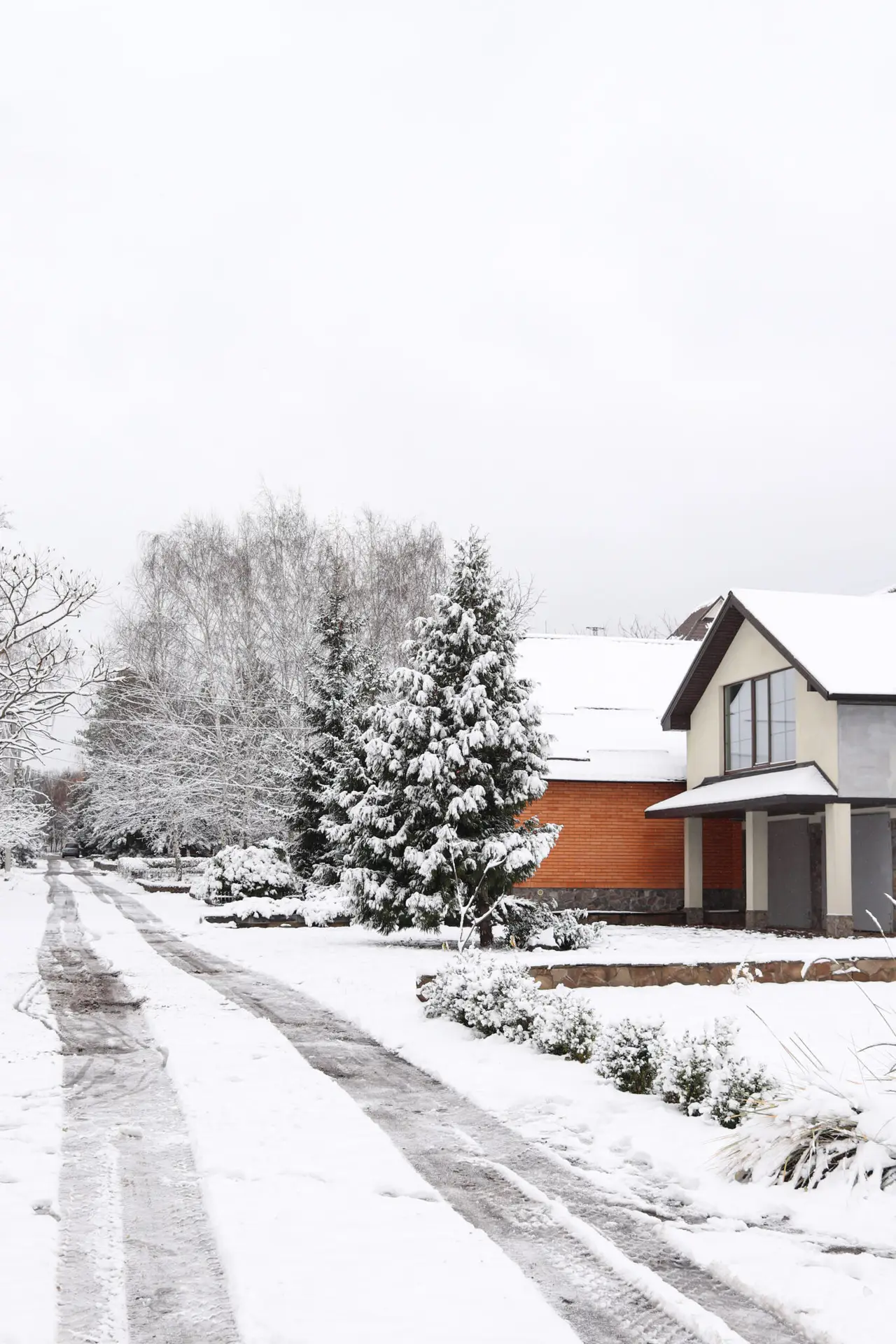
During spring, melting snow combined with frozen or saturated ground can create conditions where water begins moving around foundations and drainage systems. Add spring rain to an already wet landscape, and sump pumps can suddenly become much busier than they were a few weeks earlier.
That’s why waiting until the first major spring thaw to think about your sump pump isn’t ideal.
A system that’s evaluated in advance gives you more time to address a worn pump, questionable discharge setup, or other concern before seasonal conditions put more demand on it.
Don’t Forget About Where the Water Goes
Getting water into the sump basin is only the beginning of the process. Once the pump turns on, that water needs somewhere to go.
The discharge piping is an important part of the system because it carries pumped water away from the sump. Problems with that piping can affect how effectively the entire setup works.
Minnesota treats this part of the system seriously. The Minnesota Plumbing Board has specifically determined that installation of sump pump discharge piping to its point of discharge is plumbing work because the state plumbing code addresses sumps, discharge lines, and drainage systems.
That matters because a sump pump isn’t simply an appliance sitting in a hole in the basement. It’s part of a drainage system.
Homeowners should pay attention to discharge piping that appears damaged, disconnected, leaking, or otherwise isn’t operating normally. Outdoor discharge conditions can create their own concerns during Minnesota’s colder months as well, which is another reason the complete system should be considered rather than focusing only on whether the pump motor turns on.
What About a Backup Sump Pump?
One vulnerability of many sump pump systems is easy to identify: they need power.
Unfortunately, some of the weather events capable of bringing large amounts of rain can also cause electrical outages.
If the primary pump depends on household electricity and the power goes out, the sump basin can continue receiving water while the pump is unable to operate. Depending on the home and groundwater conditions, that can become a problem quickly.
That’s where a backup system may be worth discussing.
Battery backup sump pumps are designed to provide another layer of protection if the primary system loses power or encounters certain operating problems. They’re not necessary for every homeowner in exactly the same configuration, but they can be particularly worth considering for properties where the sump pump runs frequently or where a pump failure could result in significant water entering a finished basement.
Think about what you have downstairs, too.
An unfinished utility basement and a fully remodeled lower level containing flooring, furniture, electronics, bedrooms, and personal belongings represent very different levels of potential loss if water enters the space.
Backup protection isn’t really about how exciting the equipment is.
It’s about what sits on the other side of a pump failure.
Should You Test Your Sump Pump Yourself?
Homeowners can pay attention to the general condition of the sump area and watch how their system behaves, but repairs or changes to sump pump plumbing should be handled appropriately.
Minnesota’s plumbing requirements apply to sump pump and drainage installations. The Minnesota Department of Labor and Industry notes that plumbing work throughout the state must comply with the Minnesota Plumbing Code and recommends using knowledgeable, qualified plumbing professionals for installation and repair decisions.
If you notice that the pump isn’t operating, the discharge piping appears damaged, the system is cycling strangely, or you’re simply unsure whether your existing setup is appropriate for the home, having a plumber evaluate it can take the guesswork out of the situation.
Today’s Plumbing offers broader residential plumbing services for homeowners throughout its Minnesota service area, allowing a plumber to look beyond a single component when necessary.
Sometimes the pump itself is the problem. Other times, the issue involves the float, check valve, discharge piping, electrical supply, basin, or the way different components are working together.
Finding the actual problem matters more than simply replacing the most obvious part.
A Sump Pump Is Only Useful If It Works When Nobody Wants to Need It
Nobody installs a sump pump because they’re excited to watch it run.
It’s there for the days when groundwater is rising, rain keeps falling, or Minnesota’s spring thaw starts sending moisture through the ground around your home.
Those are also the worst times to discover that something isn’t working.
Before fall rain becomes heavier and long before spring snowmelt arrives, take a few minutes to think about the system downstairs. Have you heard it operate recently? Has anything about its behavior changed? Does the discharge piping appear to be in good condition? Do you have backup protection if losing power is a concern? And if you can’t remember the last time anyone looked at the system, would an inspection make sense?
Your sump pump doesn’t need to be the most sophisticated piece of equipment in your house.
It just needs to be ready when water starts coming in.
Today’s Plumbing helps Minnesota homeowners with sump pumps, drainage concerns, plumbing repairs, and other residential plumbing needs. If you’re unsure whether your current sump pump is ready for another season, having it evaluated before the next stretch of heavy rain is considerably easier than discovering a problem while you’re standing in a wet basement.
Fall rain is coming. Spring snowmelt will eventually follow. Your sump pump should be ready for both.